No matter the type of business or industry, being able to analyze and deduce patterns is essential to discovering a business’ financial health. Here are four commonly used calculations to help internal and external stakeholders determine an organization’s ability to manage its finances.
Break-Even Analysis
This formula analyzes fixed costs versus the profitability a business earns for every extra item it creates and sells.
Businesses that have smaller thresholds to meet their fixed costs to realize profitability have an easier break-even point to meet and exceed. Once the fixed costs threshold is satisfied and sales revenue outpaces variable costs, a business will know when it hits the break-even point.
Break Even Point (BEP) = Total Fixed Costs/(Price Per Unit – Variable Cost Per Unit)
This takes the total fixed costs divided by the price per individual unit minus each unit’s variable cost.
Examples of fixed costs are rent, taxes, insurance and wages. Examples of variable costs are raw materials, production supplies, utilities and packaging.
Another way to determine a company’s break-even point is as follows:
Contribution Margin = Item Price – Variable Cost Per Unit
This is illustrated by: $55 = ($85 – $30)
The item’s priced at $85, with a variable cost of $30, the contribution margin is $55 of how much revenue a company earns to pay for the remaining fixed costs.
Cash Ratio Formula
The cash ratio formula offers one way to look at a company’s liquidity position by comparing a company’s cash and cash equivalents to its current liabilities or debts due within the next 12 months. It shows how well positioned a business is (or is not) able to pay debts due within 12 months, and to satisfy the near-term obligations of its long-term debt.
It’s an important ratio that lenders look at when evaluating a company’s loan application. Instead of including assets such as accounts receivables, it factors in a business’ ability to take care of its financial obligations. It’s thought of as being a more real world look at how financially stable a business is.
This is defined as all income minus the cost of goods sold (COGS). COGS is comprised of expenses attributable to the creation of products, which include input materials and salaries for workers to produce such goods. However, it excludes expenses for taxes, overhead, debt, asset acquisitions, etc., among others. Another way to explain this calculation is to ask how much a business retains as profit once production costs are accounted for.
It’s calculated as follows: Gross Profit Margin = [(Net Sales – Cost of Goods Sold)/(New Sales)] x 100
Debt-to-Equity (D/E) Ratio
This is used to determine how much debt or financial leverage a company has on its books. It tells internal stakeholders and external parties what percentage of debt a company is using to operate compared to the business’ available operating reserves. This ratio contrasts a business’ complete financial obligations against its shareholder equity. Its primary use is to see how extensively it uses debt to operate.
It’s calculated as follows: Debt/Equity Ratio = Total Liabilities/Total Shareholders’ Equity.
While these calculations may seem straightforward, these are only a few examples of how businesses can calculate and analyze a company’s position – be it the owner, an employee or an outside lender or investor.
Common Business Accounting Calculations
December 1, 2024 · Blog, General Business News, Uncategorized
⏱ 3 min read
No matter the type of business or industry, being able to analyze and deduce patterns is essential to discovering a business’ financial health. Here are four commonly used calculations to help internal and external stakeholders determine an organization’s ability to manage its finances.
Break-Even Analysis
This formula analyzes fixed costs versus the profitability a business earns for every extra item it creates and sells.
Businesses that have smaller thresholds to meet their fixed costs to realize profitability have an easier break-even point to meet and exceed. Once the fixed costs threshold is satisfied and sales revenue outpaces variable costs, a business will know when it hits the break-even point.
Break Even Point (BEP) = Total Fixed Costs/(Price Per Unit – Variable Cost Per Unit)
This takes the total fixed costs divided by the price per individual unit minus each unit’s variable cost.
Examples of fixed costs are rent, taxes, insurance and wages. Examples of variable costs are raw materials, production supplies, utilities and packaging.
Another way to determine a company’s break-even point is as follows:
Contribution Margin = Item Price – Variable Cost Per Unit
This is illustrated by: $55 = ($85 – $30)
The item’s priced at $85, with a variable cost of $30, the contribution margin is $55 of how much revenue a company earns to pay for the remaining fixed costs.
Cash Ratio Formula
The cash ratio formula offers one way to look at a company’s liquidity position by comparing a company’s cash and cash equivalents to its current liabilities or debts due within the next 12 months. It shows how well positioned a business is (or is not) able to pay debts due within 12 months, and to satisfy the near-term obligations of its long-term debt.
It’s an important ratio that lenders look at when evaluating a company’s loan application. Instead of including assets such as accounts receivables, it factors in a business’ ability to take care of its financial obligations. It’s thought of as being a more real world look at how financially stable a business is.
This is defined as all income minus the cost of goods sold (COGS). COGS is comprised of expenses attributable to the creation of products, which include input materials and salaries for workers to produce such goods. However, it excludes expenses for taxes, overhead, debt, asset acquisitions, etc., among others. Another way to explain this calculation is to ask how much a business retains as profit once production costs are accounted for.
It’s calculated as follows: Gross Profit Margin = [(Net Sales – Cost of Goods Sold)/(New Sales)] x 100
Debt-to-Equity (D/E) Ratio
This is used to determine how much debt or financial leverage a company has on its books. It tells internal stakeholders and external parties what percentage of debt a company is using to operate compared to the business’ available operating reserves. This ratio contrasts a business’ complete financial obligations against its shareholder equity. Its primary use is to see how extensively it uses debt to operate.
It’s calculated as follows: Debt/Equity Ratio = Total Liabilities/Total Shareholders’ Equity.
While these calculations may seem straightforward, these are only a few examples of how businesses can calculate and analyze a company’s position – be it the owner, an employee or an outside lender or investor.
Disclaimer
These articles provide general information on tax, accounting, and financial topics for small businesses and individuals. They are educational in nature and are not specific legal, accounting, financial, tax, or other professional advice, and should not be relied upon as such. This content was prepared by Service2Client and may have been reviewed or edited by the website owner for accuracy and compliance. Look for a trust mark below for verification details. No representation is made that any approach described will achieve a particular result, and no regulatory or professional body has reviewed or endorsed this content. Because each situation is different, readers should consult a qualified professional about their specific circumstances before acting. Images accompanying these articles are protected by copyright and may not be copied or reused.
The holiday season is when most people go on shopping sprees and travel. This season also witnesses a surge in online activities in today’s digital world. Unfortunately, cybercriminals take advantage of this period to launch attacks. Therefore, cybersecurity should be the top priority for a business gearing up for peak sales or a shopper looking for the best deal.
Understanding Holiday Cyber Threats
Businesses and consumers face unique challenges during the holiday season. For businesses, the increase in traffic and online transactions can overwhelm systems. This may make them vulnerable to attacks. Cybercriminals may use tactics such as ransomware, phishing scams and fraudulent transactions during the busy season. Consumers, on the other hand, get lured by malicious ads, fake websites and phishing emails that may appear as irresistible holiday deals.
Recognizing these risks is important to staying safe for both businesses and consumers. Understanding them also means taking proactive measures to reduce exposure to cyber threats.
Why Cybersecurity Matters
The lack of effective cybersecurity can lead to financial loss, reputational damage and disruption to a businesses’ operations. On the other hand, consumers face identity theft, unauthorized purchases and compromised financial accounts.
According to the Retail and Hospitality Information Sharing and Analysis Center (RH-ISAC), threats such as ransomware, phishing, and account takeover (ATO) attacks intensify as consumer activity surges. In their 2024 Holiday Season Cyber Threat Trends Report, RH-ISAC emphasizes proactive defense measures, especially during high-traffic periods like the holiday season.
Cybersecurity Best Practices for Businesses
Security measures for businesses include:
Set up a holiday strategy – over the long holidays, businesses tend to have a change in work schedules and fewer staff members. Having a holiday cybersecurity strategy can safeguard against potential cyber threats. This can include an emergency response plan and designating responsible individuals for cybersecurity.
Endpoint security – this involves protecting devices like computers and smartphones used in the business. It is important to update all software, install antivirus programs and enable firewalls to shield the business network from intrusions.
Employee training – human error is one of the leading causes of data breaches. Therefore, it is important to educate staff to recognize phishing attempts. They should also know the importance of strong passwords and reporting suspicious activity.
Monitoring systems for unusual activity – This requires a business to invest in tools that help detect suspicious behavior in its networks. This should include fraud detection systems that will help identify unusual transaction patterns. It also helps detect potential compromises from third-party vendors.
Backup and recovery plan – business continuity in case of an attack is crucial. Therefore, a business should ensure that data is regularly backed up and stored securely. It also helps to test the recovery process regularly.
Cybersecurity Best Practices for Shoppers
Consumers are not immune to holiday cyber-attacks. A consumer must keep the following in mind:
Shop from secure websites – shoppers should be cautious by checking website security. They should check that a website includes “https://” and a padlock icon in the URL. Also, confirm the correct name of the website. It is also important to avoid clicking on links from unsolicited emails or social media ads. This is a common phishing tactic.
Use secure payment methods – a credit card provides better fraud protection than a debit card. Consider digital wallets that have an extra layer of encryption. It is also crucial to avoid saving payment details on websites.
Avoid public wi-fi – shopping on the go may see some shoppers use public networks. These networks expose data to hackers.
Be wary of emails and messages with deals that sound too good to be true. Always verify sender authentication and, where necessary, contact the company directly.
Be cautious about unexpected package notifications. Unexpected package notifications can be a phishing tactic to steal personal information or install malware. Always verify the sender and avoid clicking on links in unsolicited messages.
Be cautious of holiday scams like fake charities, gift card scams and fake gift exchanges that prey on the season’s generosity and excitement. Scammers may trick customers into buying gift cards or sharing personal details through fraudulent schemes. Staying skeptical of unsolicited offers and never sharing sensitive information with unverified sources will help ward off cybercriminal attacks.
Activate multi-factor authentication (MFA) – adding MFA creates an extra layer of security for highly sensitive accounts such as email, bank, and work-related logins.
Closing Thoughts
The holiday season is meant to be a time of celebration and connection, not worry and stress. By implementing robust cybersecurity practices, businesses can protect their operations and customers while shoppers enjoy safe, hassle-free transactions.
Cybersecurity Best Practices for the Holiday Season
December 1, 2024 · Blog, Uncategorized, What's New in Technology
⏱ 4 min read
The holiday season is when most people go on shopping sprees and travel. This season also witnesses a surge in online activities in today’s digital world. Unfortunately, cybercriminals take advantage of this period to launch attacks. Therefore, cybersecurity should be the top priority for a business gearing up for peak sales or a shopper looking for the best deal.
Understanding Holiday Cyber Threats
Businesses and consumers face unique challenges during the holiday season. For businesses, the increase in traffic and online transactions can overwhelm systems. This may make them vulnerable to attacks. Cybercriminals may use tactics such as ransomware, phishing scams and fraudulent transactions during the busy season. Consumers, on the other hand, get lured by malicious ads, fake websites and phishing emails that may appear as irresistible holiday deals.
Recognizing these risks is important to staying safe for both businesses and consumers. Understanding them also means taking proactive measures to reduce exposure to cyber threats.
Why Cybersecurity Matters
The lack of effective cybersecurity can lead to financial loss, reputational damage and disruption to a businesses’ operations. On the other hand, consumers face identity theft, unauthorized purchases and compromised financial accounts.
According to the Retail and Hospitality Information Sharing and Analysis Center (RH-ISAC), threats such as ransomware, phishing, and account takeover (ATO) attacks intensify as consumer activity surges. In their 2024 Holiday Season Cyber Threat Trends Report, RH-ISAC emphasizes proactive defense measures, especially during high-traffic periods like the holiday season.
Cybersecurity Best Practices for Businesses
Security measures for businesses include:
Set up a holiday strategy – over the long holidays, businesses tend to have a change in work schedules and fewer staff members. Having a holiday cybersecurity strategy can safeguard against potential cyber threats. This can include an emergency response plan and designating responsible individuals for cybersecurity.
Endpoint security – this involves protecting devices like computers and smartphones used in the business. It is important to update all software, install antivirus programs and enable firewalls to shield the business network from intrusions.
Employee training – human error is one of the leading causes of data breaches. Therefore, it is important to educate staff to recognize phishing attempts. They should also know the importance of strong passwords and reporting suspicious activity.
Monitoring systems for unusual activity – This requires a business to invest in tools that help detect suspicious behavior in its networks. This should include fraud detection systems that will help identify unusual transaction patterns. It also helps detect potential compromises from third-party vendors.
Backup and recovery plan – business continuity in case of an attack is crucial. Therefore, a business should ensure that data is regularly backed up and stored securely. It also helps to test the recovery process regularly.
Cybersecurity Best Practices for Shoppers
Consumers are not immune to holiday cyber-attacks. A consumer must keep the following in mind:
Shop from secure websites – shoppers should be cautious by checking website security. They should check that a website includes “https://” and a padlock icon in the URL. Also, confirm the correct name of the website. It is also important to avoid clicking on links from unsolicited emails or social media ads. This is a common phishing tactic.
Use secure payment methods – a credit card provides better fraud protection than a debit card. Consider digital wallets that have an extra layer of encryption. It is also crucial to avoid saving payment details on websites.
Avoid public wi-fi – shopping on the go may see some shoppers use public networks. These networks expose data to hackers.
Be wary of emails and messages with deals that sound too good to be true. Always verify sender authentication and, where necessary, contact the company directly.
Be cautious about unexpected package notifications. Unexpected package notifications can be a phishing tactic to steal personal information or install malware. Always verify the sender and avoid clicking on links in unsolicited messages.
Be cautious of holiday scams like fake charities, gift card scams and fake gift exchanges that prey on the season’s generosity and excitement. Scammers may trick customers into buying gift cards or sharing personal details through fraudulent schemes. Staying skeptical of unsolicited offers and never sharing sensitive information with unverified sources will help ward off cybercriminal attacks.
Activate multi-factor authentication (MFA) – adding MFA creates an extra layer of security for highly sensitive accounts such as email, bank, and work-related logins.
Closing Thoughts
The holiday season is meant to be a time of celebration and connection, not worry and stress. By implementing robust cybersecurity practices, businesses can protect their operations and customers while shoppers enjoy safe, hassle-free transactions.
Disclaimer
These articles provide general information on tax, accounting, and financial topics for small businesses and individuals. They are educational in nature and are not specific legal, accounting, financial, tax, or other professional advice, and should not be relied upon as such. This content was prepared by Service2Client and may have been reviewed or edited by the website owner for accuracy and compliance. Look for a trust mark below for verification details. No representation is made that any approach described will achieve a particular result, and no regulatory or professional body has reviewed or endorsed this content. Because each situation is different, readers should consult a qualified professional about their specific circumstances before acting. Images accompanying these articles are protected by copyright and may not be copied or reused.
All bills not enacted by the end of the 118th congressional session on Jan. 3, 2025, will expire.
Social Security Fairness Act of 2023 (HR 82) – This bill, with 330 bipartisan sponsors and a similar bill in the Senate, was introduced by Rep. Garret Graves (R-LA) on Jan. 9, 2023. It passed in the House on Nov. 12 of this year and is likely to pass in the Senate before the year’s end. The purpose of the bill is to eliminate the government pension offset that reduces Social Security benefits for individuals who receive other benefits, such as a pension from a state or local government. In the private sector, this would have a similar effect to withholding Social Security from people who have a 401(k). The bill would also repeal provisions that reduce Social Security benefits for spouses and widows/ers who receive their own government pensions. The provisions of the bill would be retroactive to the beginning of 2024.
BOLIVAR Act (HR 825) – This legislation prohibits the head of an executive agency to enter into a contract for the procurement of goods or services with any person that has business operations with the Maduro regime in Venezuela. The act was introduced on Feb. 2, 2023, by Rep. Michael Waltz (R-OH). It passed in the House on Nov. 18, and its fate currently lies with the Senate.
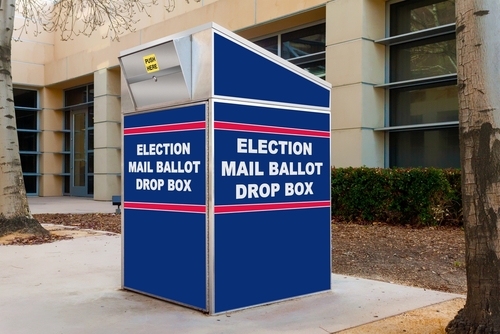
Vote by Mail Tracking Act (HR 5658) – This bill would require mail-in ballots to use the Postal Service barcode and an Official Election Mail logo. It passed in the House on Nov. 18 and is under consideration in the Senate. The bill was introduced by Rep. Katie Porter (D-CA) on Sept. 21, 2023.
Find and Protect Foster Youth Act (S 1146) – This act was introduced on March 30, 2023, by Sen. John Cornyn (R-TX). It would amend a provision of the Social Security Act to require the Department of Health and Human Services to eliminate obstacles to identifying and responding to reports of missing foster care children. Furthermore, it would assist in the assessment and screening of children who are at risk of becoming victims of sex trafficking, as well as identify best practices for effective interventions. The bipartisan bill passed in the House on Nov. 18 and is currently in the Senate.
Billion Dollar Boondoggle Act of 2023 (S 1228) – This bill was introduced by Sen. Joni Ernst (R-IA) on April 25, 2023. The bill would require the director of the Office of Management and Budget to submit an annual report to Congress detailing projects that are over budget and behind schedule. This is a bipartisan bill that has passed in both the Senate and the House, but on July 22, the House made changes and sent it back to the Senate, where it currently resides.
Rural Broadband Protection Act of 2024 (S 275) – Introduced by Sen. Shelley Moore Capito (R-WV) on Feb. 7, 2023, this bill would require the Federal Communications Commission (FCC) to vet applicants for funding of affordable broadband deployment in high-cost areas (including rural communities). The FCC would mandate a process, including a detailed proposal with technical capabilities to provide competitive awards for implementing the broadband network services. The FCC would then assess proposals in line with well-established technical standards. The bill passed the Senate on Sept. 25 and is currently with the House.
Making Pensions Equitable, Protecting Foster Kids, Mail-in Votes and Tracking Government Spending
December 1, 2024 · Blog, Congress at Work, Uncategorized
⏱ 3 min read
All bills not enacted by the end of the 118th congressional session on Jan. 3, 2025, will expire.
Social Security Fairness Act of 2023 (HR 82) – This bill, with 330 bipartisan sponsors and a similar bill in the Senate, was introduced by Rep. Garret Graves (R-LA) on Jan. 9, 2023. It passed in the House on Nov. 12 of this year and is likely to pass in the Senate before the year’s end. The purpose of the bill is to eliminate the government pension offset that reduces Social Security benefits for individuals who receive other benefits, such as a pension from a state or local government. In the private sector, this would have a similar effect to withholding Social Security from people who have a 401(k). The bill would also repeal provisions that reduce Social Security benefits for spouses and widows/ers who receive their own government pensions. The provisions of the bill would be retroactive to the beginning of 2024.
BOLIVAR Act (HR 825) – This legislation prohibits the head of an executive agency to enter into a contract for the procurement of goods or services with any person that has business operations with the Maduro regime in Venezuela. The act was introduced on Feb. 2, 2023, by Rep. Michael Waltz (R-OH). It passed in the House on Nov. 18, and its fate currently lies with the Senate.
Vote by Mail Tracking Act (HR 5658) – This bill would require mail-in ballots to use the Postal Service barcode and an Official Election Mail logo. It passed in the House on Nov. 18 and is under consideration in the Senate. The bill was introduced by Rep. Katie Porter (D-CA) on Sept. 21, 2023.
Find and Protect Foster Youth Act (S 1146) – This act was introduced on March 30, 2023, by Sen. John Cornyn (R-TX). It would amend a provision of the Social Security Act to require the Department of Health and Human Services to eliminate obstacles to identifying and responding to reports of missing foster care children. Furthermore, it would assist in the assessment and screening of children who are at risk of becoming victims of sex trafficking, as well as identify best practices for effective interventions. The bipartisan bill passed in the House on Nov. 18 and is currently in the Senate.
Billion Dollar Boondoggle Act of 2023 (S 1228) – This bill was introduced by Sen. Joni Ernst (R-IA) on April 25, 2023. The bill would require the director of the Office of Management and Budget to submit an annual report to Congress detailing projects that are over budget and behind schedule. This is a bipartisan bill that has passed in both the Senate and the House, but on July 22, the House made changes and sent it back to the Senate, where it currently resides.
Rural Broadband Protection Act of 2024 (S 275) – Introduced by Sen. Shelley Moore Capito (R-WV) on Feb. 7, 2023, this bill would require the Federal Communications Commission (FCC) to vet applicants for funding of affordable broadband deployment in high-cost areas (including rural communities). The FCC would mandate a process, including a detailed proposal with technical capabilities to provide competitive awards for implementing the broadband network services. The FCC would then assess proposals in line with well-established technical standards. The bill passed the Senate on Sept. 25 and is currently with the House.
Disclaimer
These articles provide general information on tax, accounting, and financial topics for small businesses and individuals. They are educational in nature and are not specific legal, accounting, financial, tax, or other professional advice, and should not be relied upon as such. This content was prepared by Service2Client and may have been reviewed or edited by the website owner for accuracy and compliance. Look for a trust mark below for verification details. No representation is made that any approach described will achieve a particular result, and no regulatory or professional body has reviewed or endorsed this content. Because each situation is different, readers should consult a qualified professional about their specific circumstances before acting. Images accompanying these articles are protected by copyright and may not be copied or reused.
Step 6: Looking to Legacy Planning to Address Future Needs of Family
How do you want to be remembered? People often view their legacy as a way of disseminating assets to charitable venues to be remembered as passionate and generous supporters. That is one aspect of a legacy.
But perhaps the most important legacy plan is how you want to be remembered by your family, friends and loved ones. If you do not develop an estate plan and communicate it with your loved ones, if you leave your financial accounts and investments in a state of disarray by not keeping files organized and beneficiaries updated, then you leave a huge burden behind when you pass away.
This may very well mar the fine memory your loved ones have for you. After all, having to manage a complex or messy estate over a long period of time could overwrite the previously fond memories they had for you. No one wants their legacy blemished by administrative chaos, so now is the time to get your financial house and estate plan in order. Don’t let the last memories of you be ones of aggravation and bitterness.
Repair and Strengthen Relationships
If you are estranged or have an uncomfortable relationship with someone close to you, do yourself and them a favor by rectifying the situation. This may take time, so begin the process during your pre-retirement planning phase. Remember, no one wants to die having said harsh last words or having not seen a loved one for a long time.
Make part of your plan a commitment to shore up relationships. You can start by making a list of people with whom you should contact, jotting down a few thoughts about what you want to communicate, and devising a plan for how to accomplish this. It might be a special weekend with each of your children, or inviting a long-lost sibling to take a vacation with you, or taking your spouse out to dinner and reiterating your love for one another. Remember, your legacy is about how you want to be remembered, so make some new memories to crowd out any poor ones.
First, Loved Ones; Then Philanthropy
Once your relationships are in good shape (which takes ongoing maintenance – it’s not a one-shot deal), turn your attention to your philanthropic legacy. This includes how you want to distribute your assets to both your family and the causes you care about.
The following are some key components of a legacy plan:
Wealth Transfer
Be sure that your estate plan efficiently communicates and transfers your assets to the appropriate heirs. It also should incorporate prudent tax planning so that your beneficiaries do not pay more in taxes than required. Remember, part of your legacy will be determined by how well you protect your assets, not just from taxes but also from creditors, divorce settlements, and other potential risks.
Education
Leaving a large sum to heirs can be overwhelming. It’s a good idea to help them learn about financial responsibility, wealth management and philanthropy. By helping them understand tactics about which assets to leave intact, which to transfer to other accounts and which they can liquidate for their own use – in a tax-proficient manner – is key to ensuring they’re ready to manage the legacy you pass on.
Charitable Giving
There is a range of sophisticated vehicles that allow you to maximize the long-term value of gifted assets to charitable and passion causes. For example, a donor-advised fund (DAF) enables you to donate cash or securities to a charity-sponsored fund and help direct where charitable grants are distributed. Another option is to set up a private foundation. This is a public 501(c)(3) organization that invests, manages, and distributes your donations to charities; however, this option is really only viable and cost-efficient if you have substantial assets (multi-millions) in your estate.
There are also trust vehicles designed to balance your philanthropic goals with leaving enough assets for your own living expenses and/or an inheritance for heirs. Fortunately, these also may enjoy tax benefits, such as an upfront tax deduction, removing assets from your taxable estate, or avoiding capital gains taxes on donated securities. Here are some examples:
Charitable Lead Trust (CLT) – The charity of your choice receives trust income (fixed payment or fixed percentage) for a specified term/or your lifespan, after which the remainder goes either back to you or another trust beneficiary.
Charitable Remainder Trust (CRT) – The trust distributes income to you or another beneficiary for a specified term or your lifespan, after which the remainder goes to a designated charity.
Charitable Remainder Unitrust (CRUT) – The trust distributes a fixed percentage of its balance to you or a beneficiary for a specified term or your lifespan, after which the remainder goes to a designated charity.
Charitable Remainder Annuity Trust (CRAT) – The trust distributes a fixed payment to you or a beneficiary for a specified term or your lifespan, after which the remainder goes to a designated charity.
Setting up a trust to meet a variety of goals is very complex. Be sure to work with an experienced and qualified estate planner to set this up or, again, your legacy could be tarnished if your estate is not disseminated as planned.
Pre-Retirement Planning Guide – Legacy Planning
November 1, 2024 · Blog, Financial Planning, Uncategorized
⏱ 5 min read
Step 6: Looking to Legacy Planning to Address Future Needs of Family
How do you want to be remembered? People often view their legacy as a way of disseminating assets to charitable venues to be remembered as passionate and generous supporters. That is one aspect of a legacy.
But perhaps the most important legacy plan is how you want to be remembered by your family, friends and loved ones. If you do not develop an estate plan and communicate it with your loved ones, if you leave your financial accounts and investments in a state of disarray by not keeping files organized and beneficiaries updated, then you leave a huge burden behind when you pass away.
This may very well mar the fine memory your loved ones have for you. After all, having to manage a complex or messy estate over a long period of time could overwrite the previously fond memories they had for you. No one wants their legacy blemished by administrative chaos, so now is the time to get your financial house and estate plan in order. Don’t let the last memories of you be ones of aggravation and bitterness.
Repair and Strengthen Relationships
If you are estranged or have an uncomfortable relationship with someone close to you, do yourself and them a favor by rectifying the situation. This may take time, so begin the process during your pre-retirement planning phase. Remember, no one wants to die having said harsh last words or having not seen a loved one for a long time.
Make part of your plan a commitment to shore up relationships. You can start by making a list of people with whom you should contact, jotting down a few thoughts about what you want to communicate, and devising a plan for how to accomplish this. It might be a special weekend with each of your children, or inviting a long-lost sibling to take a vacation with you, or taking your spouse out to dinner and reiterating your love for one another. Remember, your legacy is about how you want to be remembered, so make some new memories to crowd out any poor ones.
First, Loved Ones; Then Philanthropy
Once your relationships are in good shape (which takes ongoing maintenance – it’s not a one-shot deal), turn your attention to your philanthropic legacy. This includes how you want to distribute your assets to both your family and the causes you care about.
The following are some key components of a legacy plan:
Wealth Transfer
Be sure that your estate plan efficiently communicates and transfers your assets to the appropriate heirs. It also should incorporate prudent tax planning so that your beneficiaries do not pay more in taxes than required. Remember, part of your legacy will be determined by how well you protect your assets, not just from taxes but also from creditors, divorce settlements, and other potential risks.
Education
Leaving a large sum to heirs can be overwhelming. It’s a good idea to help them learn about financial responsibility, wealth management and philanthropy. By helping them understand tactics about which assets to leave intact, which to transfer to other accounts and which they can liquidate for their own use – in a tax-proficient manner – is key to ensuring they’re ready to manage the legacy you pass on.
Charitable Giving
There is a range of sophisticated vehicles that allow you to maximize the long-term value of gifted assets to charitable and passion causes. For example, a donor-advised fund (DAF) enables you to donate cash or securities to a charity-sponsored fund and help direct where charitable grants are distributed. Another option is to set up a private foundation. This is a public 501(c)(3) organization that invests, manages, and distributes your donations to charities; however, this option is really only viable and cost-efficient if you have substantial assets (multi-millions) in your estate.
There are also trust vehicles designed to balance your philanthropic goals with leaving enough assets for your own living expenses and/or an inheritance for heirs. Fortunately, these also may enjoy tax benefits, such as an upfront tax deduction, removing assets from your taxable estate, or avoiding capital gains taxes on donated securities. Here are some examples:
Charitable Lead Trust (CLT) – The charity of your choice receives trust income (fixed payment or fixed percentage) for a specified term/or your lifespan, after which the remainder goes either back to you or another trust beneficiary.
Charitable Remainder Trust (CRT) – The trust distributes income to you or another beneficiary for a specified term or your lifespan, after which the remainder goes to a designated charity.
Charitable Remainder Unitrust (CRUT) – The trust distributes a fixed percentage of its balance to you or a beneficiary for a specified term or your lifespan, after which the remainder goes to a designated charity.
Charitable Remainder Annuity Trust (CRAT) – The trust distributes a fixed payment to you or a beneficiary for a specified term or your lifespan, after which the remainder goes to a designated charity.
Setting up a trust to meet a variety of goals is very complex. Be sure to work with an experienced and qualified estate planner to set this up or, again, your legacy could be tarnished if your estate is not disseminated as planned.
Disclaimer
These articles provide general information on tax, accounting, and financial topics for small businesses and individuals. They are educational in nature and are not specific legal, accounting, financial, tax, or other professional advice, and should not be relied upon as such. This content was prepared by Service2Client and may have been reviewed or edited by the website owner for accuracy and compliance. Look for a trust mark below for verification details. No representation is made that any approach described will achieve a particular result, and no regulatory or professional body has reviewed or endorsed this content. Because each situation is different, readers should consult a qualified professional about their specific circumstances before acting. Images accompanying these articles are protected by copyright and may not be copied or reused.
Looking at accounting and journal entry considerations, if accounts receivables are debited and revenue is credited, it can be interpreted as the business recognizing revenue without the customer paying. As such, the U.S. Securities and Exchange Commission (SEC) sees the potential for intentional manipulation of earnings. It is important to review this type of transaction to see how the U.S. government and accounting standards treat deviations from these activities.
Defining Bill-and-Hold Arrangements
This type of agreement permits sellers to recognize revenue before delivery is made. Instead of shipping the product first, the seller bills the customer first, and delivery is arranged for a future date.
Based upon Accounting Standards Codification (ASC 606-10-55-83) and the U.S. Securities and Exchange Commission (SEC), for a customer to have obtained control of a product in a bill-and-hold arrangement, they must meet all of the following in order to move ownership of the product to the customer, with the seller still in custody of it.
Customers have explicitly asked for such an arrangement. Purchasers have to demonstrate a material reason for buying the goods through this route.
The goods must be sequestered explicitly for and attributed exclusively to the customer.
Customers must be able to physically receive the goods.
The separated goods are expressly prohibited from being used for any other purposes, including those of other customers.
Purchasers assume all risk.
There’s a written, fixed commitment to buy the goods.
The ultimate delivery of goods must be done according to a set timeline that follows realistic commercial uses.
The finished goods shall be 100 percent finished and be transit prepared.
Illustrating a Bill-and-Hold Arrangement
Companies in commodity-intensive establishments (miners, farmers, etc.) often use heavy equipment to recover and produce outputs. Since a mining or energy company is unsure of the profitability when recovering resources that are price-dependent on dynamic economic conditions, they often enter into a bill-and-hold arrangement with their supplier. Since the steel producer and the drilling company have an existing arrangement with standard terms, there’s an established history of bill-and-hold transactions. If machinery or drilling equipment is fully built for one of these companies, the equipment manufacturer will sequester the equipment and prohibit it from being shipped to any other buyer. Similarly, the invoice for the equipment must be satisfied by the customer in full within 30 days of the equipment being placed and waiting for the resource company buyers. The last step is for the buyer to arrange delivery in a reasonable manner.
Based on this real-world example, revenue should be recognized once it’s set aside exclusively for a particular mining or natural resource extraction company.
Considerations Beyond the Goods Themselves
Goods producers also must determine if there’s a custodial component during a bill-and-hold arrangement. If a custodial arrangement exists, either part of the original cost of goods sold to the customer needs to be determined or a separate charge, and therefore, exclusive recognition of revenue for the custodial services provided should be addressed outside of the bill-and-hold arrangement.
When it comes to revenue recognition under certain circumstances, goods producers may be able to recognize revenue despite the traditional requirement that goods have left a business, and the seller has materially satisfied their traditional requirement for accounting standards.
Breaking Down Bill-and-Hold Arrangements
November 1, 2024 · Accounting News, Blog, Uncategorized
⏱ 3 min read
Looking at accounting and journal entry considerations, if accounts receivables are debited and revenue is credited, it can be interpreted as the business recognizing revenue without the customer paying. As such, the U.S. Securities and Exchange Commission (SEC) sees the potential for intentional manipulation of earnings. It is important to review this type of transaction to see how the U.S. government and accounting standards treat deviations from these activities.
Defining Bill-and-Hold Arrangements
This type of agreement permits sellers to recognize revenue before delivery is made. Instead of shipping the product first, the seller bills the customer first, and delivery is arranged for a future date.
Based upon Accounting Standards Codification (ASC 606-10-55-83) and the U.S. Securities and Exchange Commission (SEC), for a customer to have obtained control of a product in a bill-and-hold arrangement, they must meet all of the following in order to move ownership of the product to the customer, with the seller still in custody of it.
Customers have explicitly asked for such an arrangement. Purchasers have to demonstrate a material reason for buying the goods through this route.
The goods must be sequestered explicitly for and attributed exclusively to the customer.
Customers must be able to physically receive the goods.
The separated goods are expressly prohibited from being used for any other purposes, including those of other customers.
Purchasers assume all risk.
There’s a written, fixed commitment to buy the goods.
The ultimate delivery of goods must be done according to a set timeline that follows realistic commercial uses.
The finished goods shall be 100 percent finished and be transit prepared.
Illustrating a Bill-and-Hold Arrangement
Companies in commodity-intensive establishments (miners, farmers, etc.) often use heavy equipment to recover and produce outputs. Since a mining or energy company is unsure of the profitability when recovering resources that are price-dependent on dynamic economic conditions, they often enter into a bill-and-hold arrangement with their supplier. Since the steel producer and the drilling company have an existing arrangement with standard terms, there’s an established history of bill-and-hold transactions. If machinery or drilling equipment is fully built for one of these companies, the equipment manufacturer will sequester the equipment and prohibit it from being shipped to any other buyer. Similarly, the invoice for the equipment must be satisfied by the customer in full within 30 days of the equipment being placed and waiting for the resource company buyers. The last step is for the buyer to arrange delivery in a reasonable manner.
Based on this real-world example, revenue should be recognized once it’s set aside exclusively for a particular mining or natural resource extraction company.
Considerations Beyond the Goods Themselves
Goods producers also must determine if there’s a custodial component during a bill-and-hold arrangement. If a custodial arrangement exists, either part of the original cost of goods sold to the customer needs to be determined or a separate charge, and therefore, exclusive recognition of revenue for the custodial services provided should be addressed outside of the bill-and-hold arrangement.
When it comes to revenue recognition under certain circumstances, goods producers may be able to recognize revenue despite the traditional requirement that goods have left a business, and the seller has materially satisfied their traditional requirement for accounting standards.
Disclaimer
These articles provide general information on tax, accounting, and financial topics for small businesses and individuals. They are educational in nature and are not specific legal, accounting, financial, tax, or other professional advice, and should not be relied upon as such. This content was prepared by Service2Client and may have been reviewed or edited by the website owner for accuracy and compliance. Look for a trust mark below for verification details. No representation is made that any approach described will achieve a particular result, and no regulatory or professional body has reviewed or endorsed this content. Because each situation is different, readers should consult a qualified professional about their specific circumstances before acting. Images accompanying these articles are protected by copyright and may not be copied or reused.

 No matter the type of business or industry, being able to analyze and deduce patterns is essential to discovering a business’ financial health. Here are four commonly used calculations to help internal and external stakeholders determine an organization’s ability to manage its finances.



 The holiday season is when most people go on shopping sprees and travel. This season also witnesses a surge in online activities in today’s digital world. Unfortunately, cybercriminals take advantage of this period to launch attacks. Therefore, cybersecurity should be the top priority for a business gearing up for peak sales or a shopper looking for the best deal.
 All bills not enacted by the end of the 118th congressional session on Jan. 3, 2025, will expire.
 Step 6: Looking to Legacy Planning to Address Future Needs of Family
 Looking at accounting and journal entry considerations, if accounts receivables are debited and revenue is credited, it can be interpreted as the business recognizing revenue without the customer paying. As such, the U.S. Securities and Exchange Commission (SEC) sees the potential for intentional manipulation of earnings. It is important to review this type of transaction to see how the U.S. government and accounting standards treat deviations from these activities.