Laken Riley Act (S 5) – A holdover from the last congressional session, this bill was re-introduced by Sen. Katie Britt (R-AL) on Jan. 6. It is similar to a 1996 law, the Illegal Immigration Reform and Immigrant Responsibility Act, that deports illegal immigrants who are found guilty of serious crimes. This new bill enables the government to detain and deport illegals who are arrested for serious crimes or misdemeanors (such as shoplifting), but they do not have to be charged or found guilty. The legislation passed in the Senate on Jan. 20 and the House on Jan. 22, and it is expected to be the first bill signed by the Trump administration.
Federal Disaster Assistance Coordination Act (HR 152) – This legislation would amend the Disaster Recovery Reform Act of 2018 to authorize a new study designed to streamline and consolidate data regarding the collection of preliminary damage assessments. It was introduced by Rep. Mike Ezell (R-MS) on Jan. 3, passed in the House on Jan. 13, and is currently in the Senate.
Post-Disaster Assistance Online Accountability Act (HR 153) – This is a disaster companion bill, also introduced by Rep. Mike Ezell (R-MS) on Jan. 3. It would create an online repository for recipients of Federal disaster assistance to meet specific reporting requirements. The bipartisan bill passed in the House on Jan. 14, and its fate also lies with the Senate.
POWER Act of 2025 (HR 164) – Also known as the Promoting Opportunities to Widen Electrical Resilience Act, this non-controversial bill was passed on Jan. 15 under a House procedure called “suspension of the rules.” It would allow Federal agencies to provide essential assistance for the emergency restoration of power and not restrict utility company recipients from also qualifying for hazard mitigation assistance if necessary. The bill amends the previous Robert T. Stafford Disaster Relief and Emergency Assistance Act (1988), which details the process for federal government assistance to state and local governments following a major disaster. The bill was introduced by Rep. Valerie Hoyle (D-OR) on Jan. 3 and currently lies with the Senate.
Fix Our Forests Act (HR 471) – The purpose of this bill is to expedite improvements in forest management activities on National Forest public lands under the jurisdiction of the Bureau of Land Management to return resilience to overgrown, fire-prone forested lands. This bipartisan legislation was introduced by Rep. Bruce Westerman (R-AR) on Jan. 16 and passed in the House on Jan. 23. It currently lies with the Senate.
MAPWaters Act of 2025 (HR 187) – This bipartisan bill authorizes the standardization, consolidation, and publication of federal waterways data regarding outdoor recreational uses by the public, as tracked by federal land and water management agencies. The legislation was introduced by Rep. Blake Moore (R-UT) on Jan. 3, passed in the House on Jan. 21, and is under consideration in the Senate.
Regarding consent to assemble outside the seat of government (HCon Res. 1) – This concurrent resolution was introduced on Jan. 3 by Rep. Michelle Fischbach (R-MN). It is a bipartisan resolution, agreed to by all four majority and minority leaders in both houses, that would allow members of the House and the Senate to assemble at a location outside the District of Columbia if it is in the public interest. The resolution passed in the House on Jan. 3 and currently rests in the Senate.
Beefing Up Laws for Illegal Immigrants and Preparing for Future Disasters
February 1, 2025 · Blog, Congress at Work, Uncategorized
⏱ 3 min read
Laken Riley Act (S 5) – A holdover from the last congressional session, this bill was re-introduced by Sen. Katie Britt (R-AL) on Jan. 6. It is similar to a 1996 law, the Illegal Immigration Reform and Immigrant Responsibility Act, that deports illegal immigrants who are found guilty of serious crimes. This new bill enables the government to detain and deport illegals who are arrested for serious crimes or misdemeanors (such as shoplifting), but they do not have to be charged or found guilty. The legislation passed in the Senate on Jan. 20 and the House on Jan. 22, and it is expected to be the first bill signed by the Trump administration.
Federal Disaster Assistance Coordination Act (HR 152) – This legislation would amend the Disaster Recovery Reform Act of 2018 to authorize a new study designed to streamline and consolidate data regarding the collection of preliminary damage assessments. It was introduced by Rep. Mike Ezell (R-MS) on Jan. 3, passed in the House on Jan. 13, and is currently in the Senate.
Post-Disaster Assistance Online Accountability Act (HR 153) – This is a disaster companion bill, also introduced by Rep. Mike Ezell (R-MS) on Jan. 3. It would create an online repository for recipients of Federal disaster assistance to meet specific reporting requirements. The bipartisan bill passed in the House on Jan. 14, and its fate also lies with the Senate.
POWER Act of 2025 (HR 164) – Also known as the Promoting Opportunities to Widen Electrical Resilience Act, this non-controversial bill was passed on Jan. 15 under a House procedure called “suspension of the rules.” It would allow Federal agencies to provide essential assistance for the emergency restoration of power and not restrict utility company recipients from also qualifying for hazard mitigation assistance if necessary. The bill amends the previous Robert T. Stafford Disaster Relief and Emergency Assistance Act (1988), which details the process for federal government assistance to state and local governments following a major disaster. The bill was introduced by Rep. Valerie Hoyle (D-OR) on Jan. 3 and currently lies with the Senate.
Fix Our Forests Act (HR 471) – The purpose of this bill is to expedite improvements in forest management activities on National Forest public lands under the jurisdiction of the Bureau of Land Management to return resilience to overgrown, fire-prone forested lands. This bipartisan legislation was introduced by Rep. Bruce Westerman (R-AR) on Jan. 16 and passed in the House on Jan. 23. It currently lies with the Senate.
MAPWaters Act of 2025 (HR 187) – This bipartisan bill authorizes the standardization, consolidation, and publication of federal waterways data regarding outdoor recreational uses by the public, as tracked by federal land and water management agencies. The legislation was introduced by Rep. Blake Moore (R-UT) on Jan. 3, passed in the House on Jan. 21, and is under consideration in the Senate.
Regarding consent to assemble outside the seat of government (HCon Res. 1) – This concurrent resolution was introduced on Jan. 3 by Rep. Michelle Fischbach (R-MN). It is a bipartisan resolution, agreed to by all four majority and minority leaders in both houses, that would allow members of the House and the Senate to assemble at a location outside the District of Columbia if it is in the public interest. The resolution passed in the House on Jan. 3 and currently rests in the Senate.
Disclaimer
These articles provide general information on tax, accounting, and financial topics for small businesses and individuals. They are educational in nature and are not specific legal, accounting, financial, tax, or other professional advice, and should not be relied upon as such. This content was prepared by Service2Client and may have been reviewed or edited by the website owner for accuracy and compliance. Look for a trust mark below for verification details. No representation is made that any approach described will achieve a particular result, and no regulatory or professional body has reviewed or endorsed this content. Because each situation is different, readers should consult a qualified professional about their specific circumstances before acting. Images accompanying these articles are protected by copyright and may not be copied or reused.
Improving Federal Building Security Act of 2024 (S 3613) – The Federal Protective Service (FPS) contracts security guards to control access to government facilities and screen visitors to detect prohibited items, such as pepper spray and batons. Earlier this year, FPS investigators conducted a covert test at certain federal buildings in which the guards failed to detect prohibited items about 50 percent of the time. In response, Congress passed this bill requiring Facility Security Committees to respond to security recommendations issued by the FPS. It also mandates that the Homeland Security Department submit an unredacted report to Congress regarding FPS surveillance technology recommendations as well as summarize the FPS recommendations that buildings accepted or rejected. However, no additional funding for security is appropriated by the bill, which will sunset five years following enactment. The act was introduced on Jan. 18, 2024, by Sen. Gary Peters (D-MI). It passed in the Senate on March 23, the House on Dec. 10, and was signed into law on Dec. 17.
Servicemember Quality of Life Improvement and National Defense Authorization Act for Fiscal Year 2025 (HR 5009) – This year’s version of the annual funding bill features a 14.5 percent increase in pay for junior enlisted servicemembers, as well as a 4.5 percent pay raise for all other personnel. The legislation also provides cost-of-living allowances per location, improved housing/barracks repair programs, more access to medical and mental health services, and increased employment support for military spouses. The legislation was introduced by Rep. David Joyce (R-OH) on July 27, 2023. This is a bipartisan bill that has passed in both the Senate and the House with various changes. It is currently awaiting signature by the White House for enactment.
Coastal Habitat Conservation Act of 2023 (HR 2950) – Introduced by Rep. Jared Huffman (D-CA) on April 7, 2023, this bill passed the House on Sept. 24, 2024, the Senate on Nov. 21, and was signed into law on Dec. 11. The legislation empowers the Coastal Program of the United States Fish and Wildlife Service to increase efforts to assess, protect, restore and enhance key coastal environments that provide fish and wildlife habitats for certain federal trust species.
Thomas R. Carper Water Resources Development Act of 2024 (S 4367) – This legislation was introduced by Sen. Thomas Carper (D-DE) on May 20, 2024. It passed in the Senate on Aug. 1 and in the House (with changes) on Dec. 10; the final bill is expected to be approved and signed into law by the end of the congressional session. This bipartisan bill is designed to improve the nation’s water resources infrastructure, including ports and harbors, inland waterway navigation, and flood and storm protection; it also strengthens our resilience during natural disasters. The legislation also institutes reforms at the U.S. Army Corps of Engineers in order to streamline processes and deploy projects faster.
SHIELD Against CCP Act (HR 9668) – Introduced on Sept. 18, 2024, by Rep. Dale Strong (R-AL), this bill would establish a task force working with the Department of Homeland Security. The group’s sole focus would be on countering terrorism, cybersecurity, and border/port security related to threats posed by the Chinese Communist Party. The legislation is in response to recent CCP activities such as stealing intellectual property and technology, threats to economic supply chain security and critical infrastructure, and surveillance activities targeting U.S. defense sites and even American citizens. The bipartisan bill passed in the House on Dec. 10 and is currently in the Senate.
Increasing Baseline Updates Act (HR 9716) – In the first quarter of each year, the Congressional Budget Office provides Congress with an annual baseline 10-year projection of the budget and economy based on the fiscal impact of legislative proposals. Updates are released in Q2 and Q3 to reflect newly enacted laws and economic conditions. This bill would mandate that the executive branch provide critical data to the CBO by February 1 of each year to produce a more accurate annual budget baseline. The bill passed in the House on Dec. 11 and currently lies with the Senate. It was introduced by Rep. Blake Moore (R-UT) on Sept. 20, 2024.
National Security
January 1, 2025 · Blog, Congress at Work, Uncategorized
⏱ 4 min read
Improving Federal Building Security Act of 2024 (S 3613) – The Federal Protective Service (FPS) contracts security guards to control access to government facilities and screen visitors to detect prohibited items, such as pepper spray and batons. Earlier this year, FPS investigators conducted a covert test at certain federal buildings in which the guards failed to detect prohibited items about 50 percent of the time. In response, Congress passed this bill requiring Facility Security Committees to respond to security recommendations issued by the FPS. It also mandates that the Homeland Security Department submit an unredacted report to Congress regarding FPS surveillance technology recommendations as well as summarize the FPS recommendations that buildings accepted or rejected. However, no additional funding for security is appropriated by the bill, which will sunset five years following enactment. The act was introduced on Jan. 18, 2024, by Sen. Gary Peters (D-MI). It passed in the Senate on March 23, the House on Dec. 10, and was signed into law on Dec. 17.
Servicemember Quality of Life Improvement and National Defense Authorization Act for Fiscal Year 2025 (HR 5009) – This year’s version of the annual funding bill features a 14.5 percent increase in pay for junior enlisted servicemembers, as well as a 4.5 percent pay raise for all other personnel. The legislation also provides cost-of-living allowances per location, improved housing/barracks repair programs, more access to medical and mental health services, and increased employment support for military spouses. The legislation was introduced by Rep. David Joyce (R-OH) on July 27, 2023. This is a bipartisan bill that has passed in both the Senate and the House with various changes. It is currently awaiting signature by the White House for enactment.
Coastal Habitat Conservation Act of 2023 (HR 2950) – Introduced by Rep. Jared Huffman (D-CA) on April 7, 2023, this bill passed the House on Sept. 24, 2024, the Senate on Nov. 21, and was signed into law on Dec. 11. The legislation empowers the Coastal Program of the United States Fish and Wildlife Service to increase efforts to assess, protect, restore and enhance key coastal environments that provide fish and wildlife habitats for certain federal trust species.
Thomas R. Carper Water Resources Development Act of 2024 (S 4367) – This legislation was introduced by Sen. Thomas Carper (D-DE) on May 20, 2024. It passed in the Senate on Aug. 1 and in the House (with changes) on Dec. 10; the final bill is expected to be approved and signed into law by the end of the congressional session. This bipartisan bill is designed to improve the nation’s water resources infrastructure, including ports and harbors, inland waterway navigation, and flood and storm protection; it also strengthens our resilience during natural disasters. The legislation also institutes reforms at the U.S. Army Corps of Engineers in order to streamline processes and deploy projects faster.
SHIELD Against CCP Act (HR 9668) – Introduced on Sept. 18, 2024, by Rep. Dale Strong (R-AL), this bill would establish a task force working with the Department of Homeland Security. The group’s sole focus would be on countering terrorism, cybersecurity, and border/port security related to threats posed by the Chinese Communist Party. The legislation is in response to recent CCP activities such as stealing intellectual property and technology, threats to economic supply chain security and critical infrastructure, and surveillance activities targeting U.S. defense sites and even American citizens. The bipartisan bill passed in the House on Dec. 10 and is currently in the Senate.
Increasing Baseline Updates Act (HR 9716) – In the first quarter of each year, the Congressional Budget Office provides Congress with an annual baseline 10-year projection of the budget and economy based on the fiscal impact of legislative proposals. Updates are released in Q2 and Q3 to reflect newly enacted laws and economic conditions. This bill would mandate that the executive branch provide critical data to the CBO by February 1 of each year to produce a more accurate annual budget baseline. The bill passed in the House on Dec. 11 and currently lies with the Senate. It was introduced by Rep. Blake Moore (R-UT) on Sept. 20, 2024.
Disclaimer
These articles provide general information on tax, accounting, and financial topics for small businesses and individuals. They are educational in nature and are not specific legal, accounting, financial, tax, or other professional advice, and should not be relied upon as such. This content was prepared by Service2Client and may have been reviewed or edited by the website owner for accuracy and compliance. Look for a trust mark below for verification details. No representation is made that any approach described will achieve a particular result, and no regulatory or professional body has reviewed or endorsed this content. Because each situation is different, readers should consult a qualified professional about their specific circumstances before acting. Images accompanying these articles are protected by copyright and may not be copied or reused.
All bills not enacted by the end of the 118th congressional session on Jan. 3, 2025, will expire.
Social Security Fairness Act of 2023 (HR 82) – This bill, with 330 bipartisan sponsors and a similar bill in the Senate, was introduced by Rep. Garret Graves (R-LA) on Jan. 9, 2023. It passed in the House on Nov. 12 of this year and is likely to pass in the Senate before the year’s end. The purpose of the bill is to eliminate the government pension offset that reduces Social Security benefits for individuals who receive other benefits, such as a pension from a state or local government. In the private sector, this would have a similar effect to withholding Social Security from people who have a 401(k). The bill would also repeal provisions that reduce Social Security benefits for spouses and widows/ers who receive their own government pensions. The provisions of the bill would be retroactive to the beginning of 2024.
BOLIVAR Act (HR 825) – This legislation prohibits the head of an executive agency to enter into a contract for the procurement of goods or services with any person that has business operations with the Maduro regime in Venezuela. The act was introduced on Feb. 2, 2023, by Rep. Michael Waltz (R-OH). It passed in the House on Nov. 18, and its fate currently lies with the Senate.
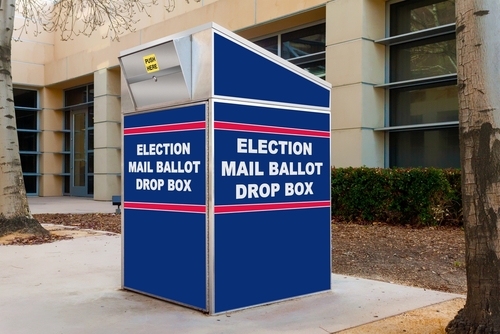
Vote by Mail Tracking Act (HR 5658) – This bill would require mail-in ballots to use the Postal Service barcode and an Official Election Mail logo. It passed in the House on Nov. 18 and is under consideration in the Senate. The bill was introduced by Rep. Katie Porter (D-CA) on Sept. 21, 2023.
Find and Protect Foster Youth Act (S 1146) – This act was introduced on March 30, 2023, by Sen. John Cornyn (R-TX). It would amend a provision of the Social Security Act to require the Department of Health and Human Services to eliminate obstacles to identifying and responding to reports of missing foster care children. Furthermore, it would assist in the assessment and screening of children who are at risk of becoming victims of sex trafficking, as well as identify best practices for effective interventions. The bipartisan bill passed in the House on Nov. 18 and is currently in the Senate.
Billion Dollar Boondoggle Act of 2023 (S 1228) – This bill was introduced by Sen. Joni Ernst (R-IA) on April 25, 2023. The bill would require the director of the Office of Management and Budget to submit an annual report to Congress detailing projects that are over budget and behind schedule. This is a bipartisan bill that has passed in both the Senate and the House, but on July 22, the House made changes and sent it back to the Senate, where it currently resides.
Rural Broadband Protection Act of 2024 (S 275) – Introduced by Sen. Shelley Moore Capito (R-WV) on Feb. 7, 2023, this bill would require the Federal Communications Commission (FCC) to vet applicants for funding of affordable broadband deployment in high-cost areas (including rural communities). The FCC would mandate a process, including a detailed proposal with technical capabilities to provide competitive awards for implementing the broadband network services. The FCC would then assess proposals in line with well-established technical standards. The bill passed the Senate on Sept. 25 and is currently with the House.
Making Pensions Equitable, Protecting Foster Kids, Mail-in Votes and Tracking Government Spending
December 1, 2024 · Blog, Congress at Work, Uncategorized
⏱ 3 min read
All bills not enacted by the end of the 118th congressional session on Jan. 3, 2025, will expire.
Social Security Fairness Act of 2023 (HR 82) – This bill, with 330 bipartisan sponsors and a similar bill in the Senate, was introduced by Rep. Garret Graves (R-LA) on Jan. 9, 2023. It passed in the House on Nov. 12 of this year and is likely to pass in the Senate before the year’s end. The purpose of the bill is to eliminate the government pension offset that reduces Social Security benefits for individuals who receive other benefits, such as a pension from a state or local government. In the private sector, this would have a similar effect to withholding Social Security from people who have a 401(k). The bill would also repeal provisions that reduce Social Security benefits for spouses and widows/ers who receive their own government pensions. The provisions of the bill would be retroactive to the beginning of 2024.
BOLIVAR Act (HR 825) – This legislation prohibits the head of an executive agency to enter into a contract for the procurement of goods or services with any person that has business operations with the Maduro regime in Venezuela. The act was introduced on Feb. 2, 2023, by Rep. Michael Waltz (R-OH). It passed in the House on Nov. 18, and its fate currently lies with the Senate.
Vote by Mail Tracking Act (HR 5658) – This bill would require mail-in ballots to use the Postal Service barcode and an Official Election Mail logo. It passed in the House on Nov. 18 and is under consideration in the Senate. The bill was introduced by Rep. Katie Porter (D-CA) on Sept. 21, 2023.
Find and Protect Foster Youth Act (S 1146) – This act was introduced on March 30, 2023, by Sen. John Cornyn (R-TX). It would amend a provision of the Social Security Act to require the Department of Health and Human Services to eliminate obstacles to identifying and responding to reports of missing foster care children. Furthermore, it would assist in the assessment and screening of children who are at risk of becoming victims of sex trafficking, as well as identify best practices for effective interventions. The bipartisan bill passed in the House on Nov. 18 and is currently in the Senate.
Billion Dollar Boondoggle Act of 2023 (S 1228) – This bill was introduced by Sen. Joni Ernst (R-IA) on April 25, 2023. The bill would require the director of the Office of Management and Budget to submit an annual report to Congress detailing projects that are over budget and behind schedule. This is a bipartisan bill that has passed in both the Senate and the House, but on July 22, the House made changes and sent it back to the Senate, where it currently resides.
Rural Broadband Protection Act of 2024 (S 275) – Introduced by Sen. Shelley Moore Capito (R-WV) on Feb. 7, 2023, this bill would require the Federal Communications Commission (FCC) to vet applicants for funding of affordable broadband deployment in high-cost areas (including rural communities). The FCC would mandate a process, including a detailed proposal with technical capabilities to provide competitive awards for implementing the broadband network services. The FCC would then assess proposals in line with well-established technical standards. The bill passed the Senate on Sept. 25 and is currently with the House.
Disclaimer
These articles provide general information on tax, accounting, and financial topics for small businesses and individuals. They are educational in nature and are not specific legal, accounting, financial, tax, or other professional advice, and should not be relied upon as such. This content was prepared by Service2Client and may have been reviewed or edited by the website owner for accuracy and compliance. Look for a trust mark below for verification details. No representation is made that any approach described will achieve a particular result, and no regulatory or professional body has reviewed or endorsed this content. Because each situation is different, readers should consult a qualified professional about their specific circumstances before acting. Images accompanying these articles are protected by copyright and may not be copied or reused.
Enhanced Presidential Security Act of 2024 (HR 9106) – During an election year, the Department of Homeland Security identifies major presidential and vice-presidential candidates in consultation with a committee of congressional leaders. This bipartisan bill instructs the U.S. Secret Service to use the same criteria for establishing the level of protection for major candidates as provided for presidents and vice presidents. The bill was introduced by Rep. Michael Lawler (R-NY) on July 23. It passed in the House on Sept. 20, in the Senate on Sept. 24, and was signed into law by the president on Oct. 1.
COCOA Act of 2024 (HR 6513) – This bipartisan Act, titled the Confirmation of Congressional Observer Access Act, was introduced on Nov. 30, 2023, by Rep. Mike Carey (R-OH). It was passed in the House on Sept. 9, in the Senate with changes on Sept. 24, and cleared the House with changes on Sept. 25. The president signed it into law on Oct. 4. The bill requires states to designate congressional election witnesses to observe the administration procedures of federal elections, including casting, processing, scanning, tabulating, canvassing, recounting, auditing and certifying ballots during the pre-and post-election period. However, the bill prohibits the observers from handling any ballots or equipment, advocating for a particular candidate, issue, or party, or interfering with the election process in any way. Election officials are further authorized to remove any designated observer who does not follow the guidelines detailed in this bill.
Congressional Budget Office Data Access Act (S 1549) – The Privacy Act of 1974 generally requires written consent before a federal agency is allowed to disclose certain personal records. However, some agencies are exempt from this requirement, including the Government Accountability Office and the National Archives and Records Administration. This bill designates the Congressional Budget Office (CBO) to be exempt as well in an effort to expedite sharing between the CBO and federal agencies. The bill passed in the Senate on June 22, 2023, in the House on Sept. 23, 2024. It was signed into law on Oct. 2, after having been introduced by Sen. Gary Peters (D-MI) on May 10, 2023.
Veteran Improvement Commercial Driver License Act of 2023 (S 656) – This Act was introduced on March 6, 2023, by Sen. Deb Fischer (R-NE). It provides guidelines to approve assistance by the Department of Veterans Affairs (VA) for commercial driver education programs. The requirements include appropriate licensing and usage of the same commercial driver education curriculum as other approved institutions. The bill passed in the Senate on Nov. 2, 2023, the House on Sept. 25, 2024, and was enacted into law on Oct. 1.
Tribal Trust Land Homeownership Act of 2023 (S 70) – This bill was introduced by Sen. John Thune (R-SD) on Jan. 25, 2023. It requires the Bureau of Indian Affairs (BIA) to process and complete all residential and business mortgage packages within 20 or 30 days, depending on the type of application. It also establishes the position of Realty Ombudsman within the BIA’s Division of Real Estate Services. This is a bipartisan bill that passed in the Senate on July 18, 2023, and currently sits in the House, where it has a high probability of passing before the end of the current Congressional session.
Protections for Election Candidates and the Electoral Process; Improving Programs for Veterans and American Indians
November 1, 2024 · Blog, Congress at Work, Uncategorized
⏱ 3 min read
Enhanced Presidential Security Act of 2024 (HR 9106) – During an election year, the Department of Homeland Security identifies major presidential and vice-presidential candidates in consultation with a committee of congressional leaders. This bipartisan bill instructs the U.S. Secret Service to use the same criteria for establishing the level of protection for major candidates as provided for presidents and vice presidents. The bill was introduced by Rep. Michael Lawler (R-NY) on July 23. It passed in the House on Sept. 20, in the Senate on Sept. 24, and was signed into law by the president on Oct. 1.
COCOA Act of 2024 (HR 6513) – This bipartisan Act, titled the Confirmation of Congressional Observer Access Act, was introduced on Nov. 30, 2023, by Rep. Mike Carey (R-OH). It was passed in the House on Sept. 9, in the Senate with changes on Sept. 24, and cleared the House with changes on Sept. 25. The president signed it into law on Oct. 4. The bill requires states to designate congressional election witnesses to observe the administration procedures of federal elections, including casting, processing, scanning, tabulating, canvassing, recounting, auditing and certifying ballots during the pre-and post-election period. However, the bill prohibits the observers from handling any ballots or equipment, advocating for a particular candidate, issue, or party, or interfering with the election process in any way. Election officials are further authorized to remove any designated observer who does not follow the guidelines detailed in this bill.
Congressional Budget Office Data Access Act (S 1549) – The Privacy Act of 1974 generally requires written consent before a federal agency is allowed to disclose certain personal records. However, some agencies are exempt from this requirement, including the Government Accountability Office and the National Archives and Records Administration. This bill designates the Congressional Budget Office (CBO) to be exempt as well in an effort to expedite sharing between the CBO and federal agencies. The bill passed in the Senate on June 22, 2023, in the House on Sept. 23, 2024. It was signed into law on Oct. 2, after having been introduced by Sen. Gary Peters (D-MI) on May 10, 2023.
Veteran Improvement Commercial Driver License Act of 2023 (S 656) – This Act was introduced on March 6, 2023, by Sen. Deb Fischer (R-NE). It provides guidelines to approve assistance by the Department of Veterans Affairs (VA) for commercial driver education programs. The requirements include appropriate licensing and usage of the same commercial driver education curriculum as other approved institutions. The bill passed in the Senate on Nov. 2, 2023, the House on Sept. 25, 2024, and was enacted into law on Oct. 1.
Tribal Trust Land Homeownership Act of 2023 (S 70) – This bill was introduced by Sen. John Thune (R-SD) on Jan. 25, 2023. It requires the Bureau of Indian Affairs (BIA) to process and complete all residential and business mortgage packages within 20 or 30 days, depending on the type of application. It also establishes the position of Realty Ombudsman within the BIA’s Division of Real Estate Services. This is a bipartisan bill that passed in the Senate on July 18, 2023, and currently sits in the House, where it has a high probability of passing before the end of the current Congressional session.
Disclaimer
These articles provide general information on tax, accounting, and financial topics for small businesses and individuals. They are educational in nature and are not specific legal, accounting, financial, tax, or other professional advice, and should not be relied upon as such. This content was prepared by Service2Client and may have been reviewed or edited by the website owner for accuracy and compliance. Look for a trust mark below for verification details. No representation is made that any approach described will achieve a particular result, and no regulatory or professional body has reviewed or endorsed this content. Because each situation is different, readers should consult a qualified professional about their specific circumstances before acting. Images accompanying these articles are protected by copyright and may not be copied or reused.
Continuing Appropriations and Extensions Act, 2025 (HR 9747) – This continuing resolution was introduced on Sept. 22 as a “clean” extenuation of the federal budget to fund the government until Dec. 20. Up until this point, a handful of Republicans had attached unrelated bills pertaining to November election restrictions, which they did not have the votes to pass in the House and would never have passed in the Senate. After several weeks of threatening to shut down the government by not passing a continuing appropriations bill, the House Speaker proposed this “last-minute” tied over with the minimum appropriations necessary to keep the government up and running. While it still does not solidify the federal budget for the 2025 fiscal year (Sept. 29, 2024, through Sept. 27, 2025), this bill is expected to pass in the House on Sept. 25 and to clear the Senate and be signed by the president by Sept. 29.
Preventing the Financing of Illegal Synthetic Drugs Act (HR 1076) – Introduced by Rep. Mónica De La Cruz (R-TX) on Feb. 17, 2023, this bill directs the Government Accountability Office to conduct a study on illegal funding sources related to the trafficking of synthetic drugs such fentanyl and methamphetamine. The bill passed in the House on May 22, 2023, in the Senate on July 23, 2024, and was signed into law by the president on Sept. 13.
Launch Communications Act (S 1648) – This act will update ground-to-space rocket communications going forward. Presently, commercial missions are required to use the government-owned spectrum to communicate during launches, including special temporary authority for private companies. This bill permits the Federal Communications Commission (FCC) to facilitate seamless access to broadband spectrum frequencies for commercial space launches and re-entries. The bill, which was introduced on May 17, 2023, by Sen. Eric Schmitt (R-MO), passed unanimously in the Senate on Oct. 21, 2023, and in the House on Sept. 17. It is currently awaiting signature by the president for enactment.
FUTURE Networks Act (HR 1513) – The acronym stands for Future Uses of Technology Upholding Reliable and Enhanced Networks Act. Introduced by Doris Matsui (D-CA) on March 9, 2023, this act would instruct the Federal Communications Commission (FCC) to establish a 6G Task Force comprised of private, academic and government experts to monitor the status of sixth-generation wireless technology, including its possible uses. The House passed the bill on Sept. 18, and the bill now rests with the Senate.
Violence Against Women by Illegal Aliens Act (HR 7909) – This bill would amend the Immigration and Nationality Act to make non-U.S. nationals (aliens) convicted of or having admitted to committing sex offenses or domestic violence (including conspiracy to commit a sex offense) be ineligible for country admission and deportable. Introduced by Rep. Nancy Mace (R-SC), the bill passed in the House on Sept. 18 and currently lies in the Senate.
Intergovernmental Critical Minerals Task Force Act (S 1871) – Introduced by Sen. Gary Peters (D-MI) on June 8, 2023, this bill would enable coordination among state, local, tribal and territorial jurisdictions with the federal government to mitigate national security risks related to the current U.S. critical mineral supply chains. Specifically, the intent is to make the United States less reliant on China and other countries for critical minerals and rare earth metals. Provisions of the bill allow for development, mining and strengthening of our domestic workforce and to improve partnerships with allied countries for dependable mineral supply chains. The bill passed in the Senate on Sept. 8 and is currently with the House.
SMART Leasing Act (S 211) – Introduced on Feb. 1, 2023, by Sen. Gary Peters (D-MI), this bill would launch a program to lease underutilized properties owned by the federal government. The net funding would then be used for capital projects and to help offset the national deficit. The act passed in the Senate on Aug. 1 and is currently under consideration in the House.
Keeping the Government Open, Stopping the Flow of Synthetic Drugs, and Improving Wireless Communications on Land and in Space
October 1, 2024 · Blog, Congress at Work, Uncategorized
⏱ 4 min read
Continuing Appropriations and Extensions Act, 2025 (HR 9747) – This continuing resolution was introduced on Sept. 22 as a “clean” extenuation of the federal budget to fund the government until Dec. 20. Up until this point, a handful of Republicans had attached unrelated bills pertaining to November election restrictions, which they did not have the votes to pass in the House and would never have passed in the Senate. After several weeks of threatening to shut down the government by not passing a continuing appropriations bill, the House Speaker proposed this “last-minute” tied over with the minimum appropriations necessary to keep the government up and running. While it still does not solidify the federal budget for the 2025 fiscal year (Sept. 29, 2024, through Sept. 27, 2025), this bill is expected to pass in the House on Sept. 25 and to clear the Senate and be signed by the president by Sept. 29.
Preventing the Financing of Illegal Synthetic Drugs Act (HR 1076) – Introduced by Rep. Mónica De La Cruz (R-TX) on Feb. 17, 2023, this bill directs the Government Accountability Office to conduct a study on illegal funding sources related to the trafficking of synthetic drugs such fentanyl and methamphetamine. The bill passed in the House on May 22, 2023, in the Senate on July 23, 2024, and was signed into law by the president on Sept. 13.
Launch Communications Act (S 1648) – This act will update ground-to-space rocket communications going forward. Presently, commercial missions are required to use the government-owned spectrum to communicate during launches, including special temporary authority for private companies. This bill permits the Federal Communications Commission (FCC) to facilitate seamless access to broadband spectrum frequencies for commercial space launches and re-entries. The bill, which was introduced on May 17, 2023, by Sen. Eric Schmitt (R-MO), passed unanimously in the Senate on Oct. 21, 2023, and in the House on Sept. 17. It is currently awaiting signature by the president for enactment.
FUTURE Networks Act (HR 1513) – The acronym stands for Future Uses of Technology Upholding Reliable and Enhanced Networks Act. Introduced by Doris Matsui (D-CA) on March 9, 2023, this act would instruct the Federal Communications Commission (FCC) to establish a 6G Task Force comprised of private, academic and government experts to monitor the status of sixth-generation wireless technology, including its possible uses. The House passed the bill on Sept. 18, and the bill now rests with the Senate.
Violence Against Women by Illegal Aliens Act (HR 7909) – This bill would amend the Immigration and Nationality Act to make non-U.S. nationals (aliens) convicted of or having admitted to committing sex offenses or domestic violence (including conspiracy to commit a sex offense) be ineligible for country admission and deportable. Introduced by Rep. Nancy Mace (R-SC), the bill passed in the House on Sept. 18 and currently lies in the Senate.
Intergovernmental Critical Minerals Task Force Act (S 1871) – Introduced by Sen. Gary Peters (D-MI) on June 8, 2023, this bill would enable coordination among state, local, tribal and territorial jurisdictions with the federal government to mitigate national security risks related to the current U.S. critical mineral supply chains. Specifically, the intent is to make the United States less reliant on China and other countries for critical minerals and rare earth metals. Provisions of the bill allow for development, mining and strengthening of our domestic workforce and to improve partnerships with allied countries for dependable mineral supply chains. The bill passed in the Senate on Sept. 8 and is currently with the House.
SMART Leasing Act (S 211) – Introduced on Feb. 1, 2023, by Sen. Gary Peters (D-MI), this bill would launch a program to lease underutilized properties owned by the federal government. The net funding would then be used for capital projects and to help offset the national deficit. The act passed in the Senate on Aug. 1 and is currently under consideration in the House.
Disclaimer
These articles provide general information on tax, accounting, and financial topics for small businesses and individuals. They are educational in nature and are not specific legal, accounting, financial, tax, or other professional advice, and should not be relied upon as such. This content was prepared by Service2Client and may have been reviewed or edited by the website owner for accuracy and compliance. Look for a trust mark below for verification details. No representation is made that any approach described will achieve a particular result, and no regulatory or professional body has reviewed or endorsed this content. Because each situation is different, readers should consult a qualified professional about their specific circumstances before acting. Images accompanying these articles are protected by copyright and may not be copied or reused.
 Laken Riley Act (S 5) – A holdover from the last congressional session, this bill was re-introduced by Sen. Katie Britt (R-AL) on Jan. 6. It is similar to a 1996 law, the Illegal Immigration Reform and Immigrant Responsibility Act, that deports illegal immigrants who are found guilty of serious crimes. This new bill enables the government to detain and deport illegals who are arrested for serious crimes or misdemeanors (such as shoplifting), but they do not have to be charged or found guilty. The legislation passed in the Senate on Jan. 20 and the House on Jan. 22, and it is expected to be the first bill signed by the Trump administration.



 Improving Federal Building Security Act of 2024 (S 3613) – The Federal Protective Service (FPS) contracts security guards to control access to government facilities and screen visitors to detect prohibited items, such as pepper spray and batons. Earlier this year, FPS investigators conducted a covert test at certain federal buildings in which the guards failed to detect prohibited items about 50 percent of the time. In response, Congress passed this bill requiring Facility Security Committees to respond to security recommendations issued by the FPS. It also mandates that the Homeland Security Department submit an unredacted report to Congress regarding FPS surveillance technology recommendations as well as summarize the FPS recommendations that buildings accepted or rejected. However, no additional funding for security is appropriated by the bill, which will sunset five years following enactment. The act was introduced on Jan. 18, 2024, by Sen. Gary Peters (D-MI). It passed in the Senate on March 23, the House on Dec. 10, and was signed into law on Dec. 17.
 All bills not enacted by the end of the 118th congressional session on Jan. 3, 2025, will expire.
 Enhanced Presidential Security Act of 2024 (HR 9106) – During an election year, the Department of Homeland Security identifies major presidential and vice-presidential candidates in consultation with a committee of congressional leaders. This bipartisan bill instructs the U.S. Secret Service to use the same criteria for establishing the level of protection for major candidates as provided for presidents and vice presidents. The bill was introduced by Rep. Michael Lawler (R-NY) on July 23. It passed in the House on Sept. 20, in the Senate on Sept. 24, and was signed into law by the president on Oct. 1.
 Continuing Appropriations and Extensions Act, 2025 (HR 9747) – This continuing resolution was introduced on Sept. 22 as a “clean” extenuation of the federal budget to fund the government until Dec. 20. Up until this point, a handful of Republicans had attached unrelated bills pertaining to November election restrictions, which they did not have the votes to pass in the House and would never have passed in the Senate. After several weeks of threatening to shut down the government by not passing a continuing appropriations bill, the House Speaker proposed this “last-minute” tied over with the minimum appropriations necessary to keep the government up and running. While it still does not solidify the federal budget for the 2025 fiscal year (Sept. 29, 2024, through Sept. 27, 2025), this bill is expected to pass in the House on Sept. 25 and to clear the Senate and be signed by the president by Sept. 29.